
When people talk about virtual event ROI, what they’re usually trying to answer is something much simpler.
Was it actually worth it?
Not in a report. Not in a spreadsheet.
More like:
Did people stay and watch it, or drop off after ten minutes?
Did the audience actually take in what you wanted them to?
Did it feel like a proper event, or just another call?
If you're not even clear what you're delivering, that’s usually where What Is a Virtual Event becomes important.
And, quietly underneath all of that:
Did this reflect well on me?
That’s what most virtual event ROI conversations are really about, even if they’re dressed up as metrics.

The issue with how virtual event ROI is usually measured
Most discussions around virtual event ROI focus on numbers.
Attendance.
Drop-off rates.
Chat activity.
Poll responses.
These are often grouped together as Virtual Event Success Metrics, and they look useful on paper.
But they rarely tell you whether the event actually worked.
You can hit strong attendance numbers and still lose the audience early.
You can have plenty of chat activity and still have people half paying attention.
The problem isn’t that these metrics are wrong. It’s that they’re often mistaken for proof that the event was effective.
They’re not.
What virtual event ROI actually comes down to
In practice, virtual event ROI is tied to something more basic.
Did the audience think, feel and do what you wanted them to?
If not, the event hasn’t worked, regardless of what the metrics say.
1. Did the audience take in the message and know what to do next?
If people leave unsure what they’ve just watched, or what it means for them, the event hasn’t done its job.
Clarity isn’t just about what’s said. It’s about how it’s delivered, paced and structured.
This is usually decided well before the event starts. If the structure is unclear or the content is overloaded, the audience will drift.
If you’re working through how to get that right, it often starts with How to Plan a Virtual Event so the outcome is clear from the beginning.
2. Did leadership come across confidently?
This is where a lot of the real risk sits, which is exactly what’s covered in Virtual Event Risks.
These are the moments that reflect badly if they’re not handled properly:
a speaker struggling with audio or setup
visible hesitation or uncertainty on camera
awkward handovers or missed cues
presenters talking over each other or unsure when to start
None of this shows up in a report.
But it’s exactly the sort of thing people remember afterwards. It also affects confidence going forward. If leadership has a poor experience or feels exposed, there’s always more hesitation next time.
That knock-on effect is often bigger than the event itself.
3. Did the event hold attention from start to finish?
Virtual audiences are far less patient than in a room.
Most people have sat through enough poor online events to spot the warning signs early. A slow or awkward start, unclear direction, people not quite ready. Once those signals appear, attention drops quickly.
Tolerance for a bad virtual event is low.
That’s why the first few minutes matter so much, and why small details make a difference. Introductions, transitions, pacing and timing all affect whether people stay with it or mentally switch off.
That’s also why Virtual Event Engagement matters more than people often realise.
The metrics that often mislead
There’s nothing wrong with measuring performance. The issue is what gets prioritised.
High attendance doesn’t mean the audience was engaged. People often join events out of obligation and habit.
Chat activity doesn’t mean people were paying attention. In many cases it reflects confusion or side conversations.
Feedback is often polite rather than honest. People are unlikely to say something felt disorganised or underprepared, even if that was their experience.
These signals can be useful, but they shouldn’t be mistaken for proof that the event worked.
Where virtual event ROI is actually created
Virtual event ROI is largely determined before the event goes live.
Speakers are briefed and tested properly.
Content is prepared and controlled in advance.
The running order is clear and held during the event.
Someone is actively directing what’s happening.
When those things are in place, the event feels calm and intentional.
When they’re not, small issues build quickly. Missed cues, hesitation, slight confusion. None of it dramatic, but enough to break confidence.
This is where production quality starts to affect ROI directly. It’s not about making things look impressive. It’s about making sure nothing gets in the way of the message.
At a certain level of visibility, that’s not optional.
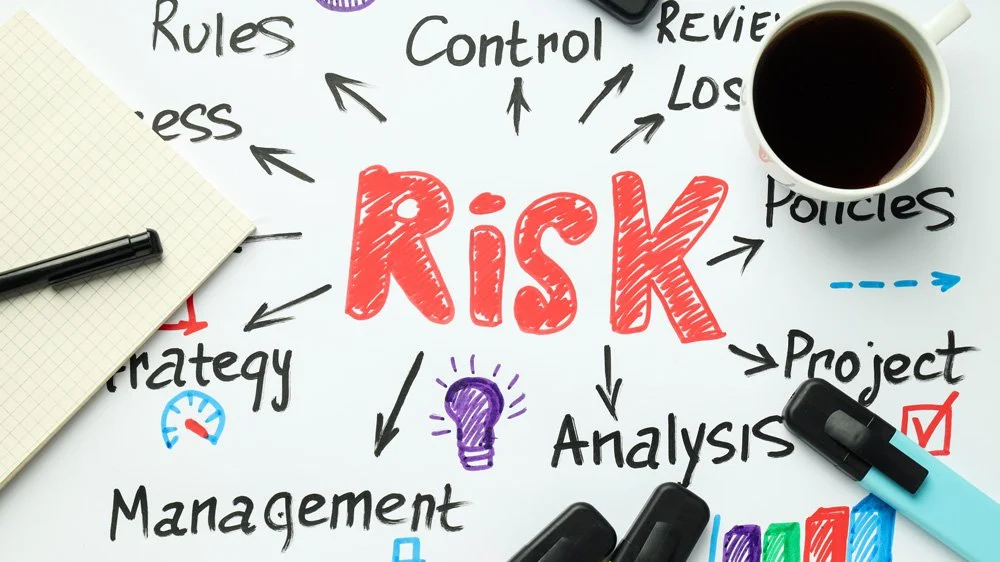
Virtual event ROI and risk
A more useful way to think about virtual event ROI is to look at what could go wrong.
If something goes wrong, how visible is it?
If a speaker struggles, how exposed do they feel?
If the structure breaks down, how quickly does the audience lose confidence?
In more visible events, these things don’t just feel awkward. They carry consequences.
What good virtual event ROI looks like
Good virtual event ROI isn’t always obvious in the numbers.
It shows up in how the event feels.
The start is clean and confident.
Speakers look comfortable and prepared.
Transitions happen without hesitation.
The audience stays with the content.
Nothing distracts from what’s being said.
And afterwards, there’s no need to explain or apologise for anything.
People remember the message, not the mechanics of how it was delivered.
A better way to think about virtual event ROI
Instead of asking how to measure virtual event ROI, it’s often more useful to step back and ask a different question.
What did the audience think, feel and do as a result of this event?
If that matches what you planned, that’s what defines whether it worked.
If it doesn’t, no metric will fix it afterwards.
Final thought
Virtual event ROI isn’t just about proving success after the event.
It’s about making sure the event works properly in the first place, and giving you a baseline to build on for the next one.
When the audience understands the message, stays engaged and comes away with a clear sense of what to do next, the outcome takes care of itself.
When that doesn’t happen, the numbers rarely tell the full story.
If you've got a virtual event or hybrid event coming up and would like experienced specialists to handle the production side of things, please do get in touch and let's see how we could work together.