
On paper, one long virtual event makes sense.
You bring everything together, cover the full topic, and get everyone in one place at the same time.
In practice, it rarely works that way.

People won’t give you that much time
The biggest constraint is attention.
People are busy. Their calendars are full. And online, there’s very little keeping them in front of their screen if something doesn’t feel relevant.
If you ask someone to sit through a two-hour session, you need a very good reason.
Even then, most won’t.
A simple way to think about it is this: if you offered someone a £50 Amazon voucher to sit through a two-hour online event, most people would still hesitate. Even at £75, a lot wouldn’t take it because they’re too busy or don’t have the time.
That’s the reality of attention.
Trying to cover too much rarely works
There’s also a content issue.
A common mistake is trying to cover too much in one go, a full strategy, multiple topics, too many speakers, all within a single session. In theory, it feels efficient, but in reality very little of it actually lands.
A useful way to frame any event is simple: what do you want people to think, feel, and do as a result of attending?
If you’re trying to achieve too many things at once, the audience is unlikely to take anything meaningful away from it that they’ll actually remember.
Breaking a larger topic into smaller, focused sessions makes that much easier.
Relevance drives engagement
Not every part of a long event will apply to every person.
When everything is bundled into one session, people either sit through sections that don’t apply to them or disengage entirely.
Splitting the same content into shorter sessions allows people to join what’s relevant to them, which leads to better engagement and more focused attention on the parts that actually matter.
This ties directly into how virtual event engagement works in practice, where relevance and timing matter far more than volume.
Timing works in your favour
Shorter events are easier to fit into the working day.
45 minutes to an hour tends to be the sweet spot. It’s long enough to deliver something useful, but short enough that people don’t feel like they’re giving up a large part of their day.
People are still willing to give up their time for an online event, but they expect it to be used well and are far less tolerant of having it wasted.
This is exactly why expectations around how long a virtual event should be have shifted over time.
The risk is lower
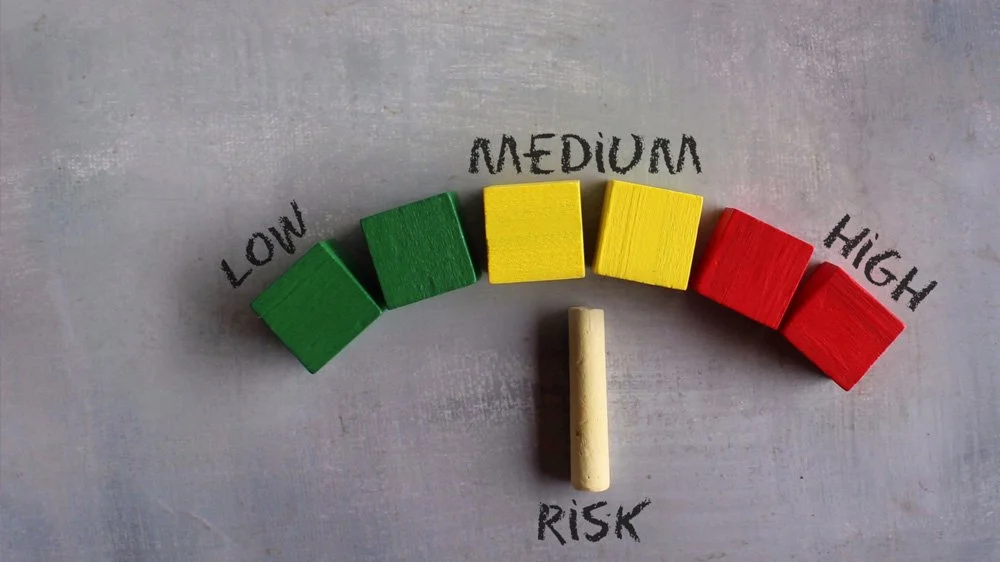
One long event carries a lot of pressure.
If something doesn’t land, if people disengage, or if the structure isn’t quite right, the impact is immediate and hard to recover from.
With multiple shorter events, that risk is spread.
Each session is simpler, easier to manage, and easier to improve the next time around.
It’s easier to deliver consistently
Shorter sessions are simply easier to run well.
There’s less to manage, fewer moving parts, and a clearer structure.
Speakers are more focused.
The content is tighter.
The overall experience is more controlled.
That’s typically where bringing in virtual event production starts to make more sense as well, particularly when you’re running a series rather than a one-off.
Why this works better in practice
One long virtual event sounds efficient.
Multiple short ones actually work.
They’re easier to attend, easier to follow, and far more likely to achieve what the event was meant to do in the first place.
If you've got a virtual event coming up and would like experienced specialists to handle the production side of things, please do get in touch and let's see how we could work together.