
Virtual Event vs Live Stream: What’s the Difference?
The virtual event vs live stream question comes up constantly, and for good reason. On the surface, they look similar. Both involve video transmitted online in real time.
But they are fundamentally different.
A live stream describes how something is transmitted. A virtual event describes how something is designed and delivered. That distinction is where the real difference lies. It also explains why virtual event engagement often drops quickly when structure is missing.
What Is a Live Stream?
A live stream is a broadcast. Something is happening in one location, and it is being sent to viewers online.
It may be:
A lecture
A leadership address
A product announcement
A stage event
The focus is on transmission.
Interaction is usually limited or secondary. The online audience watches. They may comment or submit questions, but the structure is primarily one-way.
Live streaming is the technical foundation for many online experiences. It describes the signal being sent from one place to another.
What Is a Virtual Event?
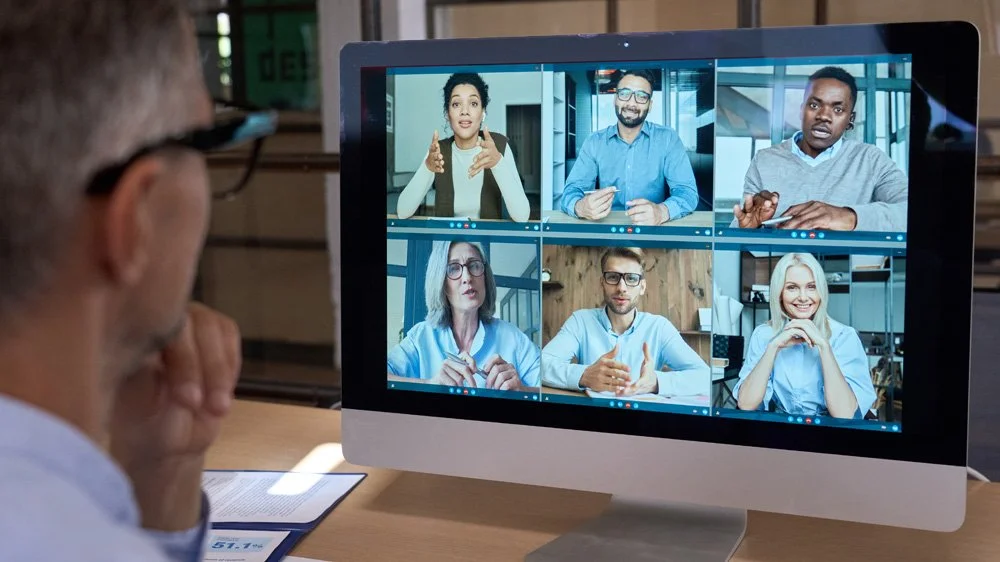
A virtual event is broader. It is an event that takes place entirely online and is structured intentionally from start to finish. Different types of virtual events introduce different levels of complexity and expectation.
That may include:
Multiple speakers
Structured segments
Moderated Q&A
Branded graphics
Holding slides
Countdown timers
Rehearsed transitions
A virtual event is not just about sending video from A to B. It is about shaping the audience’s experience.
The live stream is one component. The event design is the bigger picture. This is where structured virtual event production changes the outcome.
Virtual Event vs Live Stream: Broadcast vs Experience
The simplest way to separate the two in the virtual event vs live stream discussion is this:
A live stream focuses on the broadcast.
A virtual event focuses on the experience.
With a basic live stream, you might point a camera at a stage and send the feed online.
With a virtual event, you consider:
How does the event open?
How are speakers introduced?
What happens between sessions?
How are questions managed?
How does it end?
The technical transmission may be identical. The orchestration is not.
That orchestration is what separates a basic broadcast from something that feels deliberate, structured and professional.

When a Live Stream Is Enough
A live stream is often sufficient when:
The goal is straightforward communication
Interaction is minimal
The format is simple
Budget is limited
There are few moving parts
For example, broadcasting a keynote speech to remote viewers can work perfectly well as a structured live stream.
The key is doing that stream properly, with considered audio, lighting and transitions.
When It Becomes a Virtual Event
It becomes a virtual event when:
Multiple contributors are involved
The audience needs to participate actively
The event runs in structured segments
There is reputational risk
The delivery needs to feel polished and intentional
At that point, you are no longer just streaming. You are hosting.
That shift increases responsibility. It requires planning, rehearsal and someone actively shaping the experience behind the scenes.
This is where the difference between virtual event vs live stream becomes most visible. The more complexity you introduce, the more structure you need.
What Should Guide the Choice?
Rather than focusing purely on terminology, step back.
What do you want the audience to think, feel and do?
If the goal is to extend reach and allow people to observe clearly, a well-produced live stream may be entirely appropriate.
If the goal is to create engagement, reinforce authority, manage multiple voices and guide an audience through a structured journey, you are firmly in virtual event territory.
In the wider virtual event vs live stream conversation, the deciding factor is rarely the platform. It is intention.
A live stream describes the mechanism. A virtual event describes the intention.
When deciding between virtual event vs live stream, the real question is not what the technology allows. It is what the moment requires.
A simple format executed well will always outperform a complex format executed poorly.
If you’re responsible for delivering a virtual event and would like to talk it through, you can book a call here and I’ll happily chat it through with you.