
What Makes a Virtual Event Feel Calm and Under Control
You can usually tell within a few minutes whether a virtual event is in control or not, and it rarely comes down to one obvious problem. It’s more subtle than that.
There’s a sense that people are slightly unsure, things are being worked out as they go, and no one is fully in charge, which makes the event feel tense for the presenters and, more importantly, look tense to the audience.
Why most virtual events feel slightly uneasy
It’s rarely down to one big issue, but rather a combination of smaller things that haven’t been fully handled.
Speakers haven’t been properly briefed, people join late, sometimes minutes before they’re due to go live, and there’s no time to run through anything properly.
That creates pressure immediately, not just for the person about to go live, but for everyone involved. Other speakers notice it, the client notices it, and instead of stepping into something that feels prepared, they’re stepping into something that feels uncertain.

What “calm” actually looks like
A calm event doesn’t draw attention to itself. It’s like a referee in a sporting event, if you can’t remember anything specific about what they did, they’ve usually done their job properly.
The same applies here. If everything works as it should, nothing feels jarring, nothing interrupts the flow, and you’re able to focus entirely on the content, it’s doing what it’s supposed to do.
It doesn’t need to be over-produced or full of features. It just needs to feel steady, controlled, and properly handled, and if nothing stands out, it’s usually because everything is being managed properly behind the scenes.
Where that feeling actually comes from
Calm isn’t accidental, it comes from decisions made before the event and control applied during it, with speakers arriving early, being met by someone who knows exactly what’s happening, and being briefed clearly without being overloaded so they understand when they’re speaking, what they’re doing, and what to expect.
That changes the dynamic completely, because instead of trying to work things out live, they can focus on their message.
A big part of Virtual Event production isn’t technical, it’s human, it’s about putting people at ease, giving them confidence, and making it clear that someone else is in control.
Simple things like saying “the event won’t start until you’re ready and I’m ready”, or “if anything goes wrong, I’ll step in and help you”, or “you won’t be left on air” are what create that sense of reassurance, and that reassurance is what creates calm.
What breaks that feeling quickly
It doesn’t take much for that sense of control to disappear. Someone arriving late, a speaker unsure what’s happening next, or even a short pause where no one is clearly leading can make the whole thing feel exposed.
These aren’t major failures, but they are visible, and once they start to appear, confidence drops quickly.
That’s the same pattern described in ‘Virtual Event Risks: What Actually Goes Wrong (And Who It Lands On)’, where small issues become noticeable and start to affect how the event is perceived.
Why internal setups struggle
Most internal teams are capable, but they’re balancing multiple responsibilities at the same time, managing speakers, content, chat, timing, and technical setup, often across several people.
No single person is fully in control of how the event runs, and when something changes, it’s not always clear who should step in. That uncertainty is what the audience picks up on, even if they wouldn’t describe it that way themselves.
What changes with proper control behind it
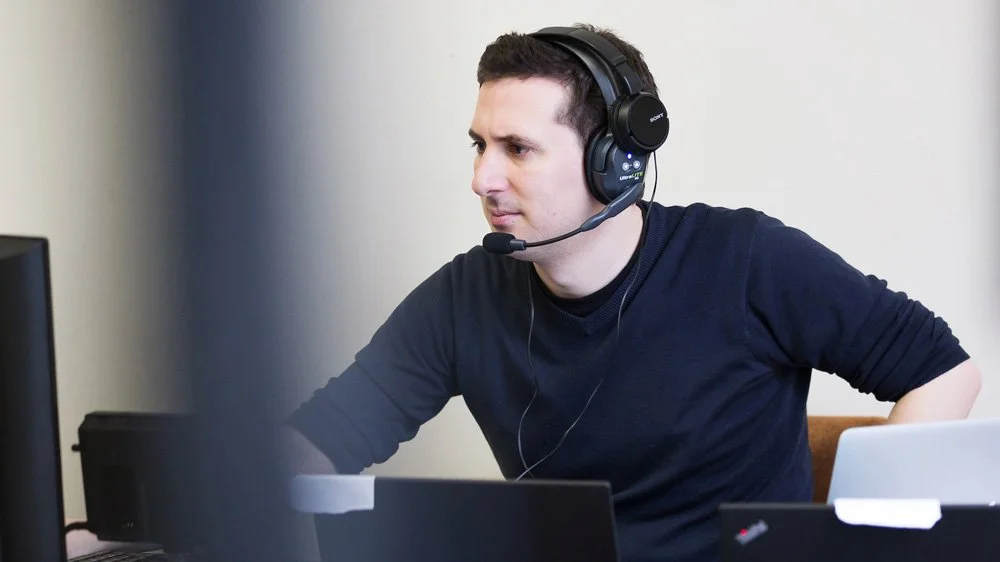
When there is a clear layer of control, the visible experience becomes much simpler.
There’s one person responsible for how the event runs, speakers are guided through it rather than left to manage it themselves, and adjustments are made without interrupting the flow, which is what allows the event to feel calm rather than reactive.
This is where working with professional Virtual Event production makes a noticeable difference, because it introduces that control without making it visible, removing uncertainty rather than adding complexity.
How this affects how the event is perceived
Timing and structure are part of it, but what people actually take away is how the event felt.
When it runs smoothly and nothing draws attention to the mechanics, it feels considered, controlled, and well delivered.
When it doesn’t, even if nothing has technically gone wrong, it can feel uncertain and chaotic, which changes how the content itself is received.
That difference is what separates something that simply works from something that feels properly delivered, as explored in ‘What Makes an Online Event Look and Feel Professional’.
Why this is usually where teams look for external support
Creating that level of calm internally is difficult, because it requires someone whose sole focus is how the event runs and how people feel while they’re part of it, not someone trying to manage multiple responsibilities at once.
That’s usually the point where teams start looking at when to hire virtual event production, not because the event can’t be run internally, but because the pressure of getting it right, particularly when senior people are involved, is higher than it needs to be.
The bottom line
A calm event doesn’t happen by chance. It’s the result of preparation, control, and someone taking responsibility for how the event runs from start to finish, and when that’s in place, nothing stands out, which is exactly what you want.
If you’re responsible for delivering a Virtual Event or Hybrid Event and want it to run properly, you can book a call and talk it through with us.